So Apparently There's a Word for People Like Us-Multipotentialite

A few of my favorite things
You may be wondering what is a multipotentialite?
A multipotentialite is someone with many interests and creative pursuits — someone who doesn't have One True Calling, and who maybe never will, and who is actually fine about it once they stop apologizing for it or beating themself up over it.
English major here, so I always want to start with the word itself. "Multi" is obvious. But "potentialite" — it's about potential. Plural potential. The idea that you could go in many directions, and that this isn't indecision, it's capacity.
"The question was never 'why can't you focus?' It was always 'why are you trying to be one thing when you were built to be several?'"
Emilie Wapnick, who popularized the term, gave a TED Talk about it that's been watched something like 9 million times. Which tells you how many people heard it and went: oh thank goodness, it's not just me.
The "pick one thing" myth
Here's what I think is really going on. We built a lot of our institutions — school, career ladders, LinkedIn profiles — around the idea of specialization. Go deep. Stay in your lane. Become the foremost expert in a very specific thing.
And that genuinely works for some people! Specialists are wonderful and necessary. I am not knocking the specialists.
But it is not the only valid shape for your life. And we've been so focused on the specialist model that people who don't fit it end up feeling like they're failing — when really they're just playing a different game that nobody told them had a name.
The classic knock is "jack of all trades, master of none." But the saying originally was “jack of all trades” full stop. It originally was meant to be high praise!
What we're actually good at
Multipotentialites tend to be fast learners — not because we're naturally smarter, but because we've learned how to learn. Every new interest was once completely foreign territory. We've done this before. We know how to be a beginner without falling apart about it. (Mostly.)
We're also really good at translation — moving between disciplines, between people, between ideas that have never been introduced to each other. That's not nothing. That's actually quite rare.
Every random thing has lead to this path
I wouldn’t be good at my day job if I hadn’t decided to open a business years ago. All of the tips and tricks and project management software I’ve learned about have lead me to being really good at operations.
Along with that all of my interests, whether it is sewing, perfume, textiles, project management software, DIY or taking a job in Iraq have lead me to where I am today. Smart, capable and lead by curiosity. Oh! And I have a lot of great stories to tell.
I'm a life coach, and I can help you with this
Here's the thing — I didn't just stumble onto the word multipotentialite and feel better and move on. I've spent a lot of time working through what it actually means to build a life around this, and I do that work with my coaching clients too.
Because knowing you're a multipotentialite is one thing. Figuring out how to stop explaining yourself, find work that actually fits, and trust the nonlinear path you're on? That takes a little more than a TED Talk.
If you've been sitting with this feeling that you're too scattered, too restless, a failure because you start things but don’t finish them — I want you to know you're not alone. And if you want some help figuring out what to do with all of that, I'm here for it.
I've spent years feeling like I couldn't commit to one thing. Turns out that's kind of the whole point.
Life Coaching
If you want to find out more about what how Life Coaching can help, please sign up for a free half hour Curiosity Call. You can ask all the questions you have to learn about how Life Coaching can help you.
It’s ok to suck at something
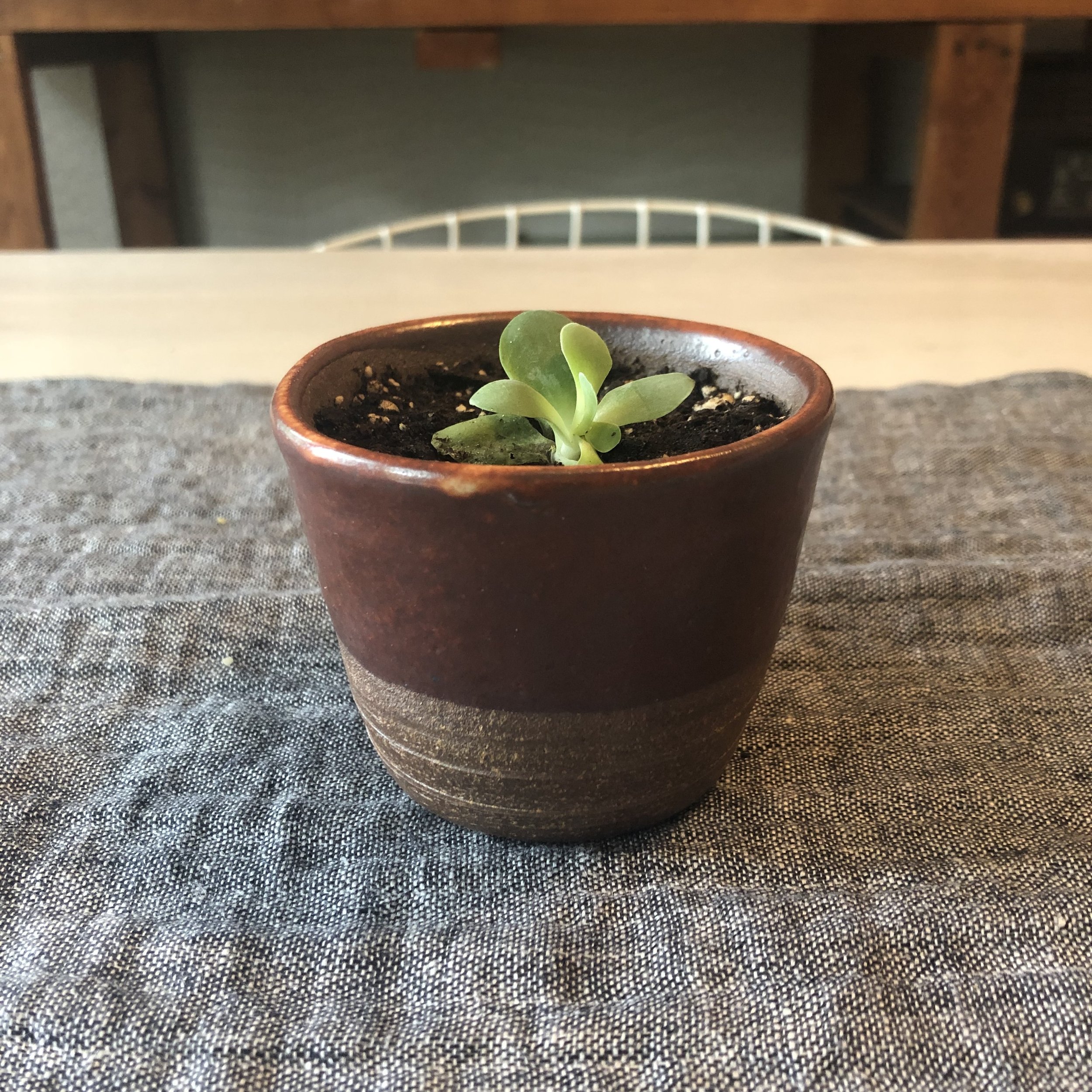
I read this article “Why Sucking at Your Hobby Could be a Secret Weapon” and I may have fist punched into the air “YES!” Because yes it is!
I also love that Tanner breaks down the history of the word hobby a) because the definition is brilliant and b) I’m an English major.
“Let’s consider the word first: hobby. Funny little word. It sounds childish, and that’s because it is. Back in the 1400s, the word “hobi” was a nickname for a small, active horse. As the centuries went by, the word was clumped with horse to form “hobbyhorse,” the name for that iconic children’s toy: a long stick with a horse’s head attached to it.
Kids rode these pretend horses for centuries, and the activity became associated with a kind of blissfully pointless diversion. Eventually the first half of the word broke free. Hobby came to describe an “activity that doesn’t go anywhere.”
Hobby’s are supposed to interesting, engaging and somewhat relaxing. I call it puttering. Just zoning out, not with the purpose of getting anything done, but to let my mind disengage. In this day and age of everyone telling you to monetize your hobby it can sometimes be hard to remember that.
The picture above is probably around the 20th pot I made and I can tell you that functionally it is a pot but man it is not a good piece of pottery. It weighs about 5 pounds because it takes a ton of practice to have smooth bottoms and sides to your pots. My bottom heavy bowls are great as water bowls for Sweetie because she can’t pick them up and throw them around (a favorite bunny past time). Oh and I totally killed that plant.
I’ve been sewing since I was about seven so it is second nature to me. I also crochet, weave and embroider. I craft a lot. My first pottery class left me almost in tears. My brain felt all wrong and twisted and my hands did not do the right thing. I did not want to go back. But I did and little by little I got better and I started to enjoy it. I still sucked at it but I was having fun.
Go make something and if you suck at it, that’s ok.
Screw the Lemonade
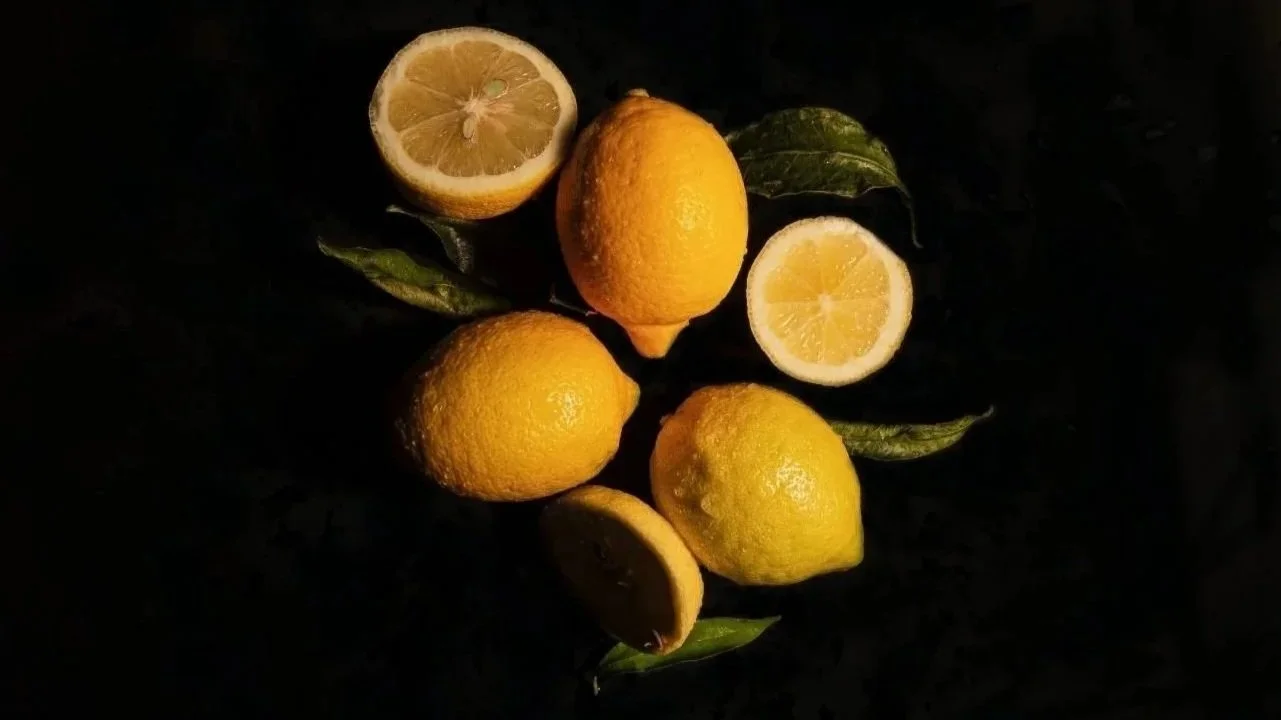
Screw the Lemonade
Y’all there is a real reason why I named my workshop Screw the Lemonade: How to Get Sh*t Done While Overwhelmed and Anxious. The phrase ‘When Life Gives You Lemons, Make Lemonade” honestly pisses me off. It’s supposed to inspire optimism and a can do attitude. But, sometimes that is hard to find. Also, any time I hear that I want to ask, but where am I getting the sugar? And the water? And the pitcher? And, and, and?
Sometimes when I’m down in it and somebody is like ‘there’s always tomorrow’, or ‘smile’, or ‘cheer up’. It doesn’t help. At all. In fact the disconnect from what I am feeling and my ability to smile is about as wide as the Grand Canyon. Now, I’m feeling even more despair because I can’t be like normal people, oh, and I’m also really pissed off at the person who is trying to fake cheer me up.
People are starting to understand that positivity isn’t always the answer, and in fact the phrase toxic positivity has been used to describe that fake cheer up mentality.
Toxic positivity is a cultural force that reinforces: “If you believe it you can achieve it!” “The only thing in your way is you!” “The key to success is a positive mindset!”… Toxic Positivity leaves us feeling alone, and disconnected. It stops us from communicating. It stifles creativity and change. It silences people.
Whitney Goodman
Instead of going from zero to hero, you need to build a ladder first. If you find yourself struggling it helps to acknowledge the feeling. As someone who does everything they can to avoid having a feeling believe me, I know! But, it really does help to stop and say well crap, I feel sad/angry/frustrated/depressed/anxious/shameful, or whatever feeling is coming up for you. Sit with it instead of shunting it aside.
Now think about how you want to feel, even if that feeling seems unattainable.
This is where we get to play a bit. So, today I’m feeling overwhelmed and that overwhelm is causing me to freeze up and not know which way to turn or what to get done. When I think about how I want to feel, I want to feel at ease with my obligations. I don’t want to feel so spinny in my head when I think of what needs to be done. I want to have the confidence that not only accomplish what needs to be done, but I can sort through the mess and prioritize things.
There is no way I can snap my fingers and say I can get everything done and believe it. In fact just typing that made my insides twist. I don’t believe that at all. What I do believe is that I’ve had this feeling before and I’ve found my way through it. Ok, that I can believe.
So, how do I build a ladder or a bridge between feeling overwhelmed and feeling like I’m failing and feeling confident I can find my way through it all? I’ve found adding the word ‘possible’ to that thought helps immensely.
It is possible for me to go through the list of things to do and prioritize them in order to get them done. Then I’d feel confident and like it is possible for me to accomplish things.
I know I ran on a bit there, but to summarize. Toxic positivity is real. Trying to make lemonades out of lemons may not be within reach. But there are a few things you can do: 1) Feel the feelings 2) Determine how you want to feel 3) Build a ladder to get your thoughts closer to how you want to feel. It is possible.
Thought work is something we can work on in coaching. If you want to find out more about what how that can help, please sign up for a free half hour Curiosity Call. You can ask all the questions you have to learn about how Life Coaching can help you.
Well, What hAppened
A little more time passed then I expected between my last blog post and now. There were a couple of life things that happened that made me set coaching aside.
First up, I started a new job that took up more than it should have for the first couple of years I was there. That was unexpected, and I did not have the bandwidth for much else.
Second, depression sunk its hooks into me.
I think if it had been one or the other of those two things I could have managed but both at the same time meant I had to take a break from coaching.
Over the last few months the job has leveled out, along with my depression. Yay therapy. Plus I took a vacation for the first time in two years.
What does that mean for this space?
I am committed to coaching. I’m actually finishing up an amazing decolonized coaching program. The past five months I’ve spent learning more about coaching, learning a decolonized approach and getting reinvigorated in my craft.
Not only have I learned a lot about coaching, but I’ve learned a lot about myself. First and foremost is I need to prioritize rest and restoration, which means planning time for vacation, taking a nap on Sundays, doing my hobbies, and spending time with friends. Basically all the things that restore me.
That means I have the capacity, energy and desire to coach. It also means that I’m more present for my clients and able to serve them better.
While sometimes it is hard to not look back on the last couple of years as a failure, I can also see how I needed to take the time to heal and grow.
Ways to Navigate Life When You are in a Funk

Do you know what's super annoying? Making it through the cold, dark Chicago winter without any hint of Seasonal Affective Disorder or Depression and then getting hit with depression during the sunny beautiful Chicago summer aka the few months of the year we can leave the house! I've navigated this before and so thankfully I have a ton of handy tools in my toolbox.
Here are a few things I've found to keep life moving forward while struggling with depression.
Reach out to people. I am really lucky to have an amazing support system. So, if I'm struggling even a little bit there are a few core people I reach out to immediately.
If by any chance you do have a friend, family member, or co-worker reach out to you when they are struggling with depression and you aren't sure what to do to help, I'd suggest you ask what support they need. They may need someone just to listen, they may need someone to help them get out of the house, or get the grocery shopping done. The best thing you can do is ask what would be the best way you can support them. Depending on if they are just feeling blue, or it's a full blown depressive episode, I'd also suggest making sure they've reached out to their therapist as well.
Wallow in it. Honestly fighting depression is exhausting!! I've found I can either spend a month fighting it, or just succumb for a couple of days. So, I spent the bulk of my weekend feeling my feelings. UGH. Just even typing that makes me want to run away. That meant I spent a lot of time in bed or on the couch. But, by Sunday afternoon I was starting to feel like myself again. If the depression won't abate then please seek medical help.
Feel a sense of small accomplishment. I pick one thing to get done. One small thing. Last weekend it was keeping the kitchen counter clear. That meant all the clutter and dishes didn't pile up in the kitchen. That type of chaos really has a huge negative impact on my brain. So having a clear kitchen counter meant dishes made it into the sink and eventually into the dishwasher. That small action felt huge.
Don't should on yourself. Basically don't beat yourself up for all the things you didn't get done. I felt like I should have sent this newsletter weeks ago, and I should have painted my bedroom, and I should have gotten the things done on my to do list. But, you know what? I didn't. And that's ok and I just have to move on from it.
Sometimes feeling overwhelmed, stressed or anxious can also trigger those same sad/depressive feelings. These tips can help you move through that as well. I'm going to point out that I am not a doctor, but these are things that have helped me and my coaching clients move through some rough times.
At the end of the day it helps to remember, "You've Got This".
Becoming, almost, friends with my anxiety

As much as I advocate for rest and balance, sometimes life doesn't go as planned. Or maybe, I over planned and should have left some blank space in my calendar! I had an epic week last week, but I over-peopled, and maybe overdid it on work a little bit. Yet, at the same time I gave two amazing workshops and launched a group coaching program. Which is why I took a nap on Saturday!
I also had quite a bit of anxiety last week and yet, I did the thing. I taught a workshop with Creative Mornings Field Trips (highly recommend you check out their offerings) and it was the most people I've ever had at a workshop. By the end I was elated and exhausted. I felt the anxiety, and kept going through it. I felt like I was able to use that adrenaline and be more up beat and focused, while presenting and navigating the chat, while on zoom. It was a lot!
I was really thinking this week about how I tend to jump and build the net as I go. I'm pretty high functioning individual, but I live with anxiety and depression. The book Good Anxiety: Harnessing the Power of the Most Misunderstood Emotion, really helped me see how anxiety is an indicator that I'm about to do something kind of scary, or out of my comfort zone. It can be a yellow flag, saying caution, not necessarily stop. This is very different from anxiety due to trauma, or anxiety that causes panic attacks. I've built that 'jump' muscle up over the years and steadily tried new and different things. Some of them I've failed at, but honestly, even then, I was grateful for the learning experience.
Sometimes though life is overwhelming and it's hard to push through, which is why I've built a group coaching program called 'How to get sh*t done while overwhelmed and anxious'. It's a three month program that includes:
An individual life coaching session with me to help you get clear on what you want to be focusing on in your life
Bi-weekly group coaching
A micro-course that will be rolled out to you weekly
Weekly accountability that is tailored to your accountability style
A Discord channel for all of us to help each other
Monthly co-working sessions to get together and get sh*t done. You can work on a personal project or a work project.
This program is built with you in mind. You may love weekly emails, but hate the idea of showing up for a coaching session. You may hate emails, but love chatting with people on discord (kind of like a facebook group). You can choose your own adventure and still get the support and information that you need in order to succeed.
This program is built for people who are struggling to get sh*t done. You may have a big project or a passion project, or simply need support with day-to-day life.
The commitment is only three months, and at a special introductory offer of $57 per month. If you need a discounted rate or a longer payment plan, please let me know, it's available to everyone.
Get the help and support you need today and sign up now.
Plus!! The first five people who sign up also receive two additional hours of coaching with me (a $400 value). There's only two left, so sign up now.
I Dwell in Possibility

Yes, I am using a poem by Emily Dickinson as the header of this blog post. I landed on something a little less grim because I was kind of leaning towards "Because I could not stop for death". Just feeling a little dramatic.
I managed to make it through most of the winter without getting hit with Seasonal Affective Disorder (SAD). I used my sun lamp, I planned a trip to a hot sunny place in February (Togo definitely fit the bill), and I had mini adventures with friends. All the things that help support me through the winter, but at the end of March it just hit me.
I was struggling to make it through the day and all of the things that usually make me happy, I just didn't even want to do. So, I embraced it. I let myself rest and I hermited a little bit. Instead of putting all my energy into fighting feeling down, I let it wash over me. That right there is what gave me the energy to do my day-to-day, to go to work, to cook and clean, and to take care of myself.
The other thing that helped immensely was reaching out to friends and admitting I was kind of hiding away from the world. It took about three weeks of limiting my activity, avoiding public events and resting to come out of the fog. It wasn't quite a full blown depression, but I was flirting hard with depression.
I am sharing this because a) I don't think we talk about mental health enough as a society and b) even though I felt like I wasn't being productive (recovering type A over here), I was still able to get so much done. That's because I've learned how to co-exist with my mental illness and I've set up structures that help me keep doing all the life stuff.
I sometimes get overwhelmed with all that I have to do/want to do. I have a lot of projects. I've been working on my home and I'm plugging away at making it mine. I'm focusing on the bedroom, and while I've gotten a lot done, I have a ways to go. I sometimes get overwhelmed by the to do list and I've noticed that some of my friends and clients struggle with the same thing.
So, I've developed a free workshop called Screw the Lemonade: How to Get Sh*t Done While Overwhelmed and Anxious.
LET’S TALK ABOUT HOW TO GET SH*T DONE
In this free workshop, we are going to start with where you are at and how you are feeling. Which, by the way, even if you are struggling, you are still making it through the day, so cut yourself some slack. You rock!
Next we will get clear on what you want and how you want to feel. Your want may actually be centered around things that need to get done in your life, and that is ok.
Hey-what’s your accountability style and how do you get the best accountability help that suits you? Not all accountability is built the same, but we’ll get you the help you need.
Finally, we’ll build out an actionable plan to get you unstuck, moving forward and getting sh*t done.
If you are ready to get sh*t done then register for this free workshop today. You can join live on 5/18/2023 from noon-12:45 Central Time or sign up and get the reply in your inbox. I'd love to see you there.
Big “T” trauma and Little “T” Trauma
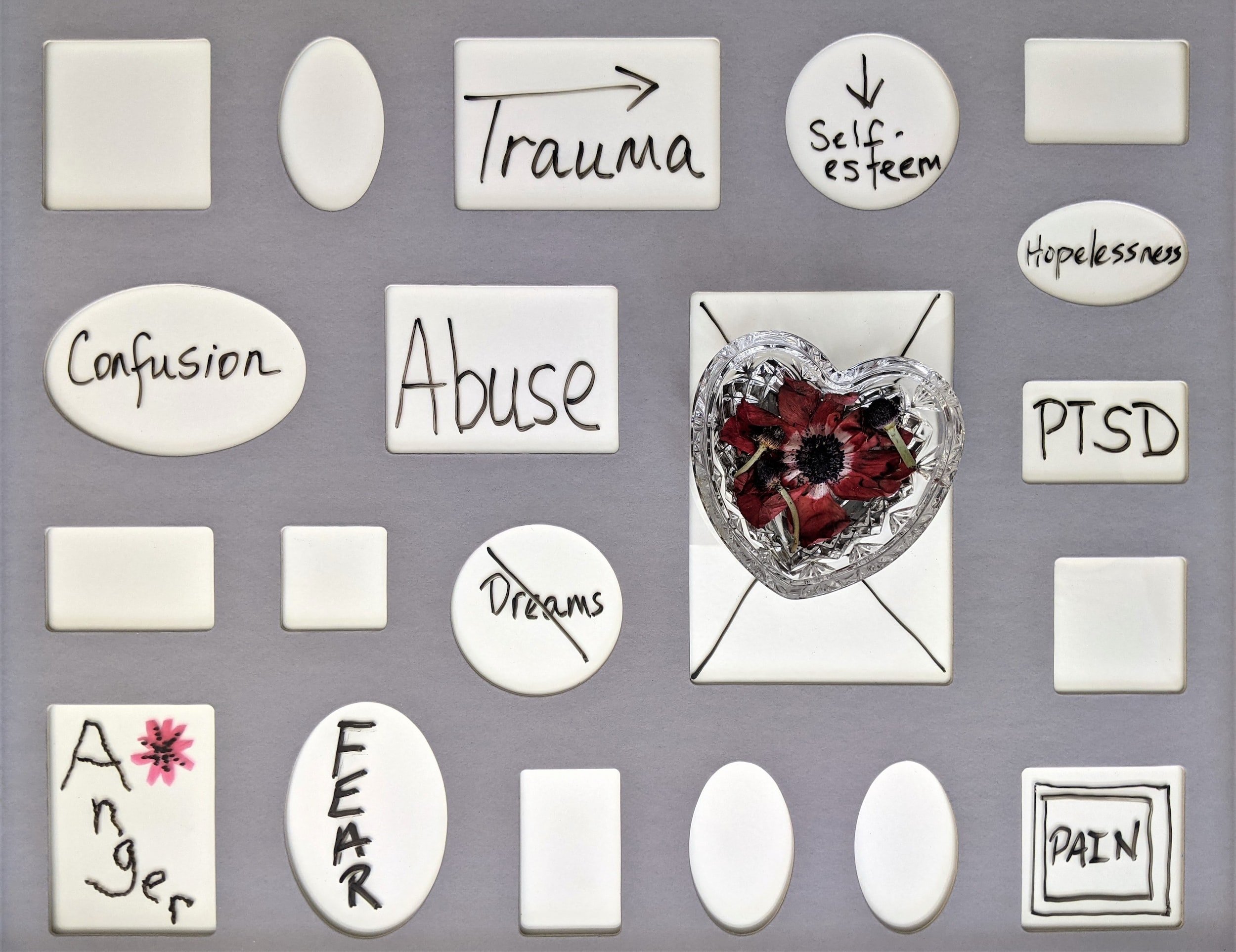
As someone who has had some pretty significant traumatic events in their life, and been through quite a bit of therapy, what I didn’t expect was to still have to work on the little trauma’s.
We typically identify Big ‘T’ trauma as something that threatened or caused violence or body harm, including sexual violence.
Little ‘t’ trauma are all the other things that may cause emotional harm. Things like relationship conflict, divorce, financial worries, or emotional neglect.
Here’s a great article that goes into more detail.
In my case the little ‘t’ trauma were the things my father said, like “If you’re going to cry- go to your room” or “Get your head out of your a**” (I was often accused of day dreaming, which I now realize was probably disassociation). He never wanted to go to my school plays or concerts, and it was a fight to get out of the house. To this day I still get anxious about being late because we were always late when I was a kid.
So, why does this matter? We tend to think we can just pull ourselves up by our bootstraps and keep going. Yet, these little ‘t’ traumas can have an impact on our self-worth and our self-esteem. Sometimes they can have a cumulative effect that can lead to depression or ptsd.
I was in an amazing group therapy program, and I remember one of the members of our group breaking down crying because she didn’t have the same traumatic events that I did, but she just couldn’t manage life. And my heart went out to her, and our therapist was very clear that all those little traumas can have just as big of an effect.
So, please don’t discount the things that have happened or may be happening in your life. They can have a serious impact on your health and well-being. If you are struggling please see someone. I’m very grateful for the therapists that helped. me through some rough times.
I’ve worked with quite a few clients who were in therapy while also having life coaching with me. It’s actually a great pairing because therapy helps clear out the past and free clients from their grip, while life coaching is much more future focused. Plus, when something from their past comes up in coaching, then they can go and work on it with their therapist.
This post is part of a series on trauma:
The Impact of Trauma
What Trauma does to memory

Photo by Ireland Rogers on Unsplash
Writing a memoir is a fascinating activity when you don’t remember a lot of things. I’ve done a lot of reading and research on how memory works because mine is shot.
Yes, we do, in a sense, lose memories as we age. But I’ve struggled with my memory since I was in high school. I do tend to remember scents, sensations or colors, better than I can what happened, a person’s name, or an authors name, or basically anything/one with a name.
I have found that there are swaths of my life simply missing, and it’s not just childhood memories, but a huge chunk of my twenties. That is thanks to trauma. Although, there is probably some stuff in my twenties I would rather not remember, thank you very much.
It sometimes messes with my identity. At my core I know who I am and what I value. But our experiences and the things we take in help shape us. I don’t remember movies, books I’ve read, people I’ve met or did I fall prey to the double layering of tank tops in the 2000s.
I really struggle with remembering names of people from my past or even people I’ve met recently. When I was doing my masters in English I had a friend who would helpfully supply names of characters when I was answering a question in class. I would know what happened and who did what, but I couldn’t remember the name. Thank you Friend!
Believe me, I’ve tried all the tricks to try to remember peoples names, but they don’t stick in my brain. It’s not just casual acquaintances, I’ll be talking and blank on someone’s name that I’ve known for years.
Let’s talk about the impact of trauma. Keep in mind, I am not a therapist, but I’ve been to a lot of therapy and I’m talking about my personal experience. Our brains are big beautiful things and our brain will do its best to protect us from a traumatic experience. My brain took my trauma, shoved it in an iron box, wrapped that box up in heavy chains with a huge lock and threw it into the deepest part of the ocean. For some people trauma actually can actually cause dissociative identity disorder, or what used to be called split personality disorder. Some people experience trauma, immediately get the help that they need and chances are they are going to process that trauma and not have it walled or split away.
Anytime a memory or a current experience would brush up against that locked trauma box I would disassociate. I can’t remember which book, but there is a novel by Toni Morrison that describes disassociating in such a way that it punched me in the gut when I read it. Ironically, I can’t remember the name of the book, but I remember feeling those words wash over me when I read it. She described it as a buzzing of bees that went through the character.
Disassociating is like a slow fade from your own life, and then the bees come and overwhelm you until you can’t hear or see anything and you fight to hold onto consciousness. I spent most of my 20s and 30s in a dissociative state in order to avoid current circumstances and old trauma. It’s really hard to live like that. It’s also really hard to make any memories.
I used to beat myself up about it- this inability to remember. Or, I’d get flustered during a conversation because I forgot someone’s name. Now I am able to pretty much just roll with it. Granted, some really good therapy, and EMDR in order to process the trauma, helped a lot. Now it isn’t so much a locked box at the bottom of the ocean, but more like an old photo album on a dusty shelf.
I’ve found that my memory works kind of like that idea of six degrees of separation or the game ‘six degrees of Kevin Bacon’. I kind of hopscotch across my memories to get to Kevin Bacon.
And I end with where I begin, writing a memoir, which relies on memories. I actually have some memories of memories. Which sounds odd, but for example there is an old photo of me on a field trip at a cemetery in downtown Downers Grove. Someone snapped the photo of me jumping over a grave. I don’t remember that initial memory, but I remember seeing the photo of me in the blue and white striped shirt, and so I in a sense remember jumping over the grave. My guess is I was jumping over the grave because I thought it was disrespectful to walk on someone’s grave. I also hop over to some memories when I remember something else. I have written records in the form of old journals and letters (which FYI are painful to read because they are filled with so much teen angst!). Plus, I have friends who can help me fill in some of the gaps.
If you struggle to remember, just know you’re ok, especially if you had any trauma in your life. If you know someone who struggles to remember (or you are friends with me!), give those people a little bit of grace. Our brains are all beautiful individualistic machines that run a little differently from person to person.
The Impact of Trauma

I mentioned in my last post that I kind of enjoy getting a bit lost. I can embrace my sense of adventure. But y’all that has not always been true. I used to be super controlling and often felt the need to be in charge in order to control what was going on around me. Some of this was learned behavior, but most of it came from trauma.
I grew up in a chaotic, sometimes violent household. There were quite a few traumatic events and I never really understood how this impacted me until I got older and started dealing with things. Therapy helped. A lot!
When trauma is your norm it is hard sometimes to see how the way you cope with things could be, well, not normal. I couldn’t just have a dinner party, I had to have a themed menu, all of the dishes had to go together and the table had to be set just so. If I was going out to dinner I had to know the whole plan. What time, what restaurant, and who was going. If anything deviated from that plan it would cause me to have a full on panic attack and I would step in and direct everyone as to what was going to happen next as a way to exert control over everything, since I was rapidly spiraling out of control.
It would show up in so many ways that often made me difficult to be around. If someone wasn’t doing it ‘right’, then I would sometimes take things out of peoples hands and go do it myself. My mindset was well, I’ll just do it myself. People couldn’t offer to help, partly because I wasn’t good about accepting help, but mainly because they wouldn’t get it done ‘right.’ Whatever that meant.
I couldn’t do anything spontaneous, because without all of the information I didn’t feel in control. Granted today, I’m not very spontaneous but that’s about keeping tabs on my low introvert energy!
All of that behavior came out of a need to exert control over my environment because I grew up in an environment that often quickly slid completely out of control. Being in control gave me the illusion that I was safe. That I was in power. Everything I did was to provide that little girl in me, at least the illusion, that I was safe and ok.
I have a friend who says he loves coming to my house, because I make people feel like they are at home and it’s easy. Which makes me laugh, because the very opposite used to be true. I would be so over controlling that people would feel uncomfortable. Now I ask friends to bring whatever dish, without it all having to match the theme for the evening. If you plate your dish on something that doesn’t match what is on the table, that’s ok. Help yourself to whatever you want to drink. I’ve let it go.
I’m not going to lie, sometimes those controlling tendencies will pop up. It’s often if I’m feeling anxious and I have to remind myself that I’m safe. I’m ok. If you often feel like your controlling tendencies are making it difficult to breath, or for other people to breath freely around you, then let’s talk.